Установка и обслуживание септиков: common mistakes that cost you money
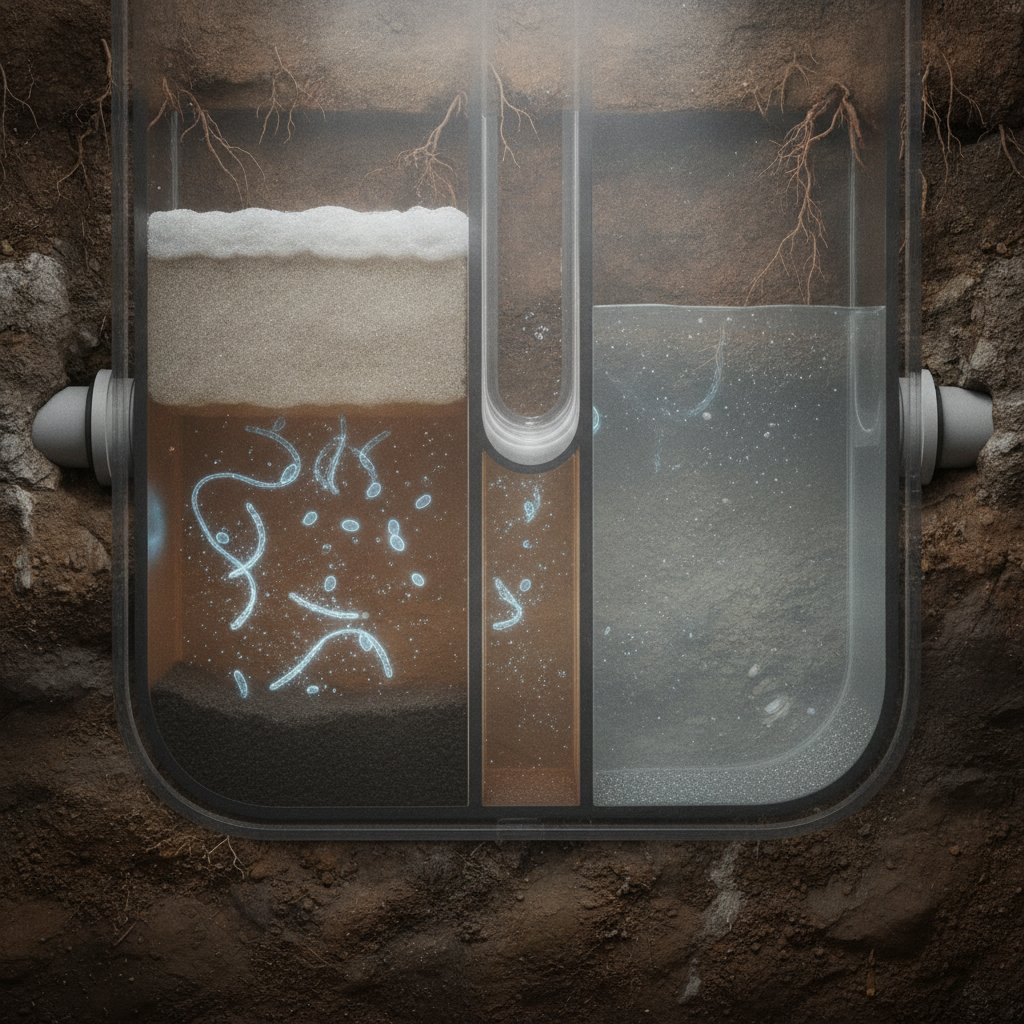
The Expensive Lessons Nobody Tells You About Septic Systems
Your septic system is like that friend who never complains until everything falls apart at once. I've watched homeowners flush thousands of dollars down the drain (pun intended) because they chose the wrong approach to installation and maintenance. The difference between doing it right and doing it cheap? About $8,000 on average, plus the joy of explaining to dinner guests why your backyard smells like a crime scene.
Let's break down the two paths most people take: the DIY/Budget Route versus the Professional Installation Route. Both have their place, but mixing them up costs serious money.
The DIY/Budget Route: When Saving Money Becomes Expensive
The Appeal
- Upfront savings: You'll save 30-40% on installation costs, typically $2,000-$4,000 for a standard system
- Control over materials: Pick your own components and suppliers
- Flexible timeline: Work on weekends or whenever you have time
- Learning experience: You'll definitely learn something (usually the hard way)
Where It Goes Wrong
- Permit nightmares: 67% of DIY installations fail first inspection, requiring costly rework
- Improper sizing: Installing a 750-gallon tank when you need 1,250 gallons means replacement in 3-5 years instead of 20
- Drainage field disasters: Wrong soil analysis leads to pooling sewage within 18 months—repair cost: $5,000-$12,000
- Code violations: That $200 permit fee becomes a $1,500 fine plus mandatory professional reinstallation
- Equipment rental costs add up: Excavator rental runs $300-500 per day, and projects always take longer than planned
Here's the kicker: insurance companies often refuse coverage for DIY septic failures. That's your entire investment at risk.
The Professional Installation Route: Paying Now or Paying More Later
What You're Actually Buying
- Guaranteed compliance: Licensed installers handle permits, inspections, and code requirements
- Proper site evaluation: Percolation tests, soil analysis, and water table assessment prevent future disasters
- Right-sized systems: Calculations based on bedroom count, water usage, and lot characteristics
- Warranty protection: 2-5 year installation warranties plus manufacturer guarantees
- Insurance coverage: Their liability insurance protects you from installation errors
The Real Costs
- Standard gravity system: $6,000-$10,000 installed
- Mound or aerobic systems: $12,000-$20,000 depending on site conditions
- Annual maintenance contracts: $200-$400 for inspections and pumping
- Premium over DIY: Roughly $3,000-$6,000 more upfront
Where Professionals Save You Money
- First-time pass rate: 94% versus 33% for DIY installations
- Longevity: Properly installed systems last 25-30 years versus 10-15 for amateur jobs
- Resale value: Permitted, professional systems add $5,000-$8,000 to home value
- Efficiency: 2-3 day installation versus 2-3 week DIY projects
Head-to-Head Comparison
| Factor | DIY/Budget Route | Professional Installation |
|---|---|---|
| Initial Cost | $3,000-$6,000 | $6,000-$20,000 |
| Time to Complete | 2-4 weeks | 2-5 days |
| Inspection Pass Rate | 33% | 94% |
| Expected Lifespan | 10-15 years | 25-30 years |
| Warranty Coverage | Materials only | Full system 2-5 years |
| Insurance Protection | None | Liability covered |
| Resale Impact | Potential liability | +$5,000-$8,000 value |
The Maintenance Mistake That Costs Everyone
Here's where both camps screw up equally: skipping regular maintenance. Pumping costs $300-$500 every 3-5 years. Replacing a failed system? $15,000-$25,000.
The math is brutal. Homeowners who skip one $400 pumping appointment end up with solid buildup that damages the drainage field. That repair runs 40-60 times more than the maintenance they avoided.
So Which Path Makes Sense?
Professional installation wins for 90% of homeowners. The upfront premium disappears when you factor in longevity, resale value, and avoiding catastrophic failures. Your $4,000 savings evaporates the moment you need that $8,000 drainage field repair.
DIY only makes financial sense if you're a contractor yourself, have commercial excavation equipment, and understand soil engineering. Even then, the permit headaches might not be worth it.
The real money-saver? Hire professionals for installation, then maintain the system religiously. That combination gets you 30 years of trouble-free operation instead of a decade of stress and surprise expenses.
Your septic system handles literal crap every day. Maybe don't cheap out on the one thing standing between your home and a sewage swamp.