Установка и обслуживание септиков in 2024: what's changed and what works
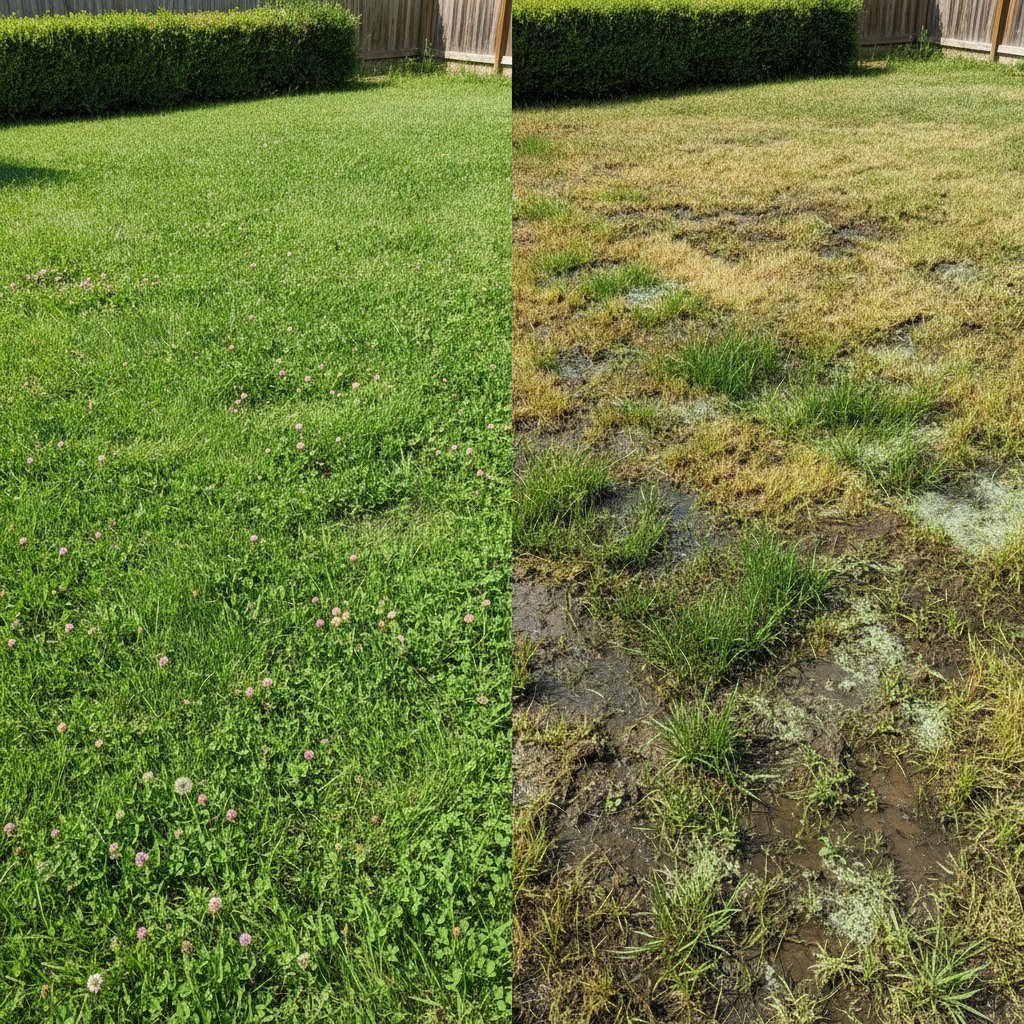
Septic systems have come a long way since your grandfather's basic concrete tank buried in the backyard. The game changed dramatically in 2024, with new regulations, smarter technology, and maintenance approaches that actually make sense. If you're planning an installation or scratching your head about why your current system isn't performing like it should, here's what you need to know right now.
1. Advanced Treatment Units Are Now the Default (Not the Exception)
Gone are the days when a simple septic tank and drain field would pass muster everywhere. Aerobic treatment units (ATUs) have become standard in most jurisdictions, especially if you're within 1,000 feet of a water source or dealing with high water tables. These systems inject oxygen into the waste treatment process, breaking down solids 40-60% faster than traditional anaerobic systems.
The upfront cost hits harder—expect $10,000 to $18,000 compared to $5,000-$8,000 for conventional systems—but the payoff shows up in your drain field's lifespan. ATUs produce cleaner effluent, which means your drain field can be 30-50% smaller. That's less excavation, less land dedicated to your septic system, and fewer replacement headaches down the road.
2. Smart Monitoring Has Eliminated the Guessing Game
You don't need to wait for sewage backup in your basement to know something's wrong anymore. WiFi-enabled monitoring systems now track everything from tank levels to pump performance, sending alerts straight to your phone. Companies like SepticSmart and AquaWorx offer retrofit kits starting around $400 that work with existing systems.
Real talk: these monitors have cut emergency service calls by roughly 35% according to installers I've spoken with. You'll get a heads-up when your tank is filling faster than normal (hello, leaky toilet you didn't know about) or when your pump is cycling too frequently. One homeowner in Vermont told me his monitor caught a cracked baffle that would've cost him $8,000 in drain field repairs if it had gone unnoticed another six months.
3. Pumping Schedules Got More Scientific
That old "pump every three years" rule? Toss it. Modern recommendations factor in actual household size, water usage patterns, and tank capacity. A family of five with a 1,000-gallon tank might need pumping every 18 months, while two retirees with a 1,500-gallon system could stretch it to five years.
New portable ultrasonic devices let technicians measure sludge and scum layers in minutes without opening your tank. This means you're only pumping when you actually need it, not on some arbitrary calendar schedule. The average pumping runs $300-$500, so timing it right saves money and extends your system's life by preventing solids from reaching the drain field.
4. Drain Field Materials Have Evolved Beyond Recognition
Forget those old perforated pipes surrounded by gravel. Gravelless chamber systems and synthetic aggregate materials dominate new installations in 2024. These systems install 50% faster, require less excavation, and handle fluctuating water tables better than traditional designs.
The chambers—large plastic arches that create void space for effluent distribution—cost about 15% more upfront but eliminate the need for gravel trucks tearing up your yard. They're also easier to repair if problems develop. One installer in Oregon switched entirely to chamber systems after gravel shortages in 2023 made traditional installations a logistical nightmare.
5. Maintenance Contracts Actually Make Financial Sense Now
Annual maintenance agreements have shifted from overpriced insurance policies to legitimate value propositions. For $250-$400 per year, you get scheduled inspections, filter cleaning, and priority emergency service. More importantly, many local lenders now require proof of a maintenance contract for septic system loans.
The math works out when you consider that a single emergency weekend call can run $800-$1,200. Plus, documented maintenance records boost your home's resale value. Buyers in rural areas increasingly request septic inspection reports, and a clean maintenance history can add $3,000-$5,000 to your asking price according to real estate agents specializing in properties with private waste systems.
6. Additives Finally Got Honest (Mostly)
The septic additive market was always sketchy, full of miracle claims and enzyme blends that did absolutely nothing. Regulators cracked down hard in 2023-2024, and now only products with documented NSF certification can make treatment claims. Spoiler: your system doesn't need monthly additives if you're not dumping grease and chemicals down the drain.
That said, biological additives containing specific bacterial strains can help after heavy antibiotic use or if you've accidentally dumped bleach down the drain. Products like BioOne or Roebic K-57 run about $30 per treatment and can restart a sluggish system. Just skip anything promising to eliminate pumping forever—that's still snake oil.
Septic technology isn't sexy, but getting it right means avoiding five-figure repair bills and keeping your property functional. The systems going in today are smarter, more reliable, and easier to maintain than anything available even five years ago. Whether you're installing new or maintaining existing equipment, these updates separate systems that work from those that become expensive problems.