Why most Установка и обслуживание септиков projects fail (and how yours won't)
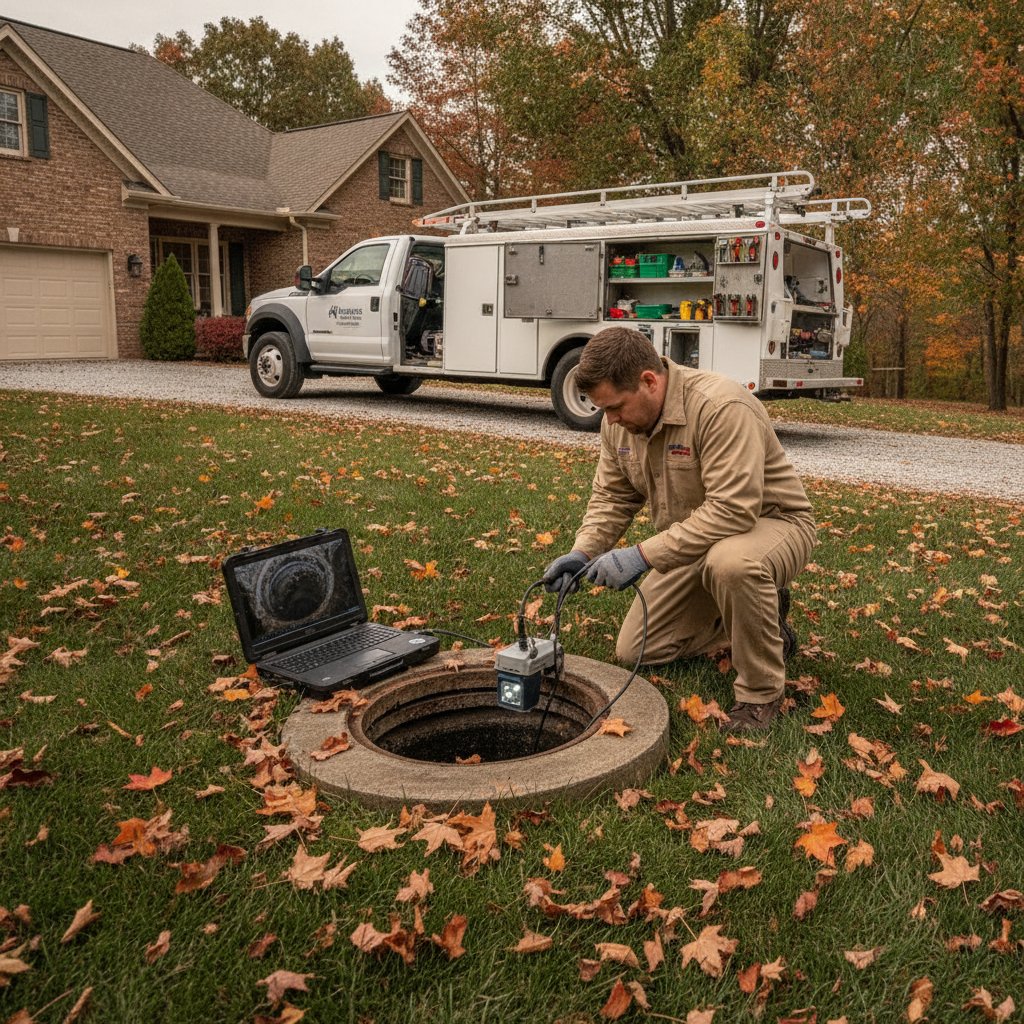
The $8,000 Mistake Buried in Your Backyard
Picture this: You've just spent $5,000 installing a new septic system. Six months later, you're ankle-deep in sewage, staring at a repair estimate that makes your initial investment look like pocket change. Sound dramatic? It happens to roughly 30% of homeowners who tackle septic installation without understanding what actually makes these systems work long-term.
Here's the brutal truth: most septic projects don't fail because of bad luck. They fail because of three preventable mistakes that happen before the first shovel hits dirt.
Why Your Neighbor's Septic System Failed (And Yours Might Too)
Last year, I watched a family in rural Pennsylvania tear up their entire yard for the second time in 18 months. The culprit? Their installer never conducted a proper percolation test. The soil couldn't absorb water fast enough, turning their drain field into a swamp every spring.
This isn't rare. It's predictable.
The Three Fatal Flaws
Skipping the soil analysis. About 40% of failed installations trace back to incompatible soil conditions. Clay-heavy soil? You'll need a completely different system than sandy loam. Miss this step, and you're building a time bomb.
Undersizing the tank. Contractors often use a standard 1,000-gallon tank for a four-bedroom house. Sounds reasonable, except building codes in most states actually require 1,250 to 1,500 gallons for that occupancy. The result? Your tank fills faster than it can process waste, leading to backup issues within the first year.
Ignoring the drain field location. I've seen systems installed 8 feet from a property line where regulations require 10 feet. Or worse—placed in the lowest point of the yard where water naturally collects. These violations might pass a rushed inspection, but they guarantee premature failure.
The Warning Signs Nobody Tells You About
Your septic system starts failing long before sewage bubbles up in your shower. Watch for these red flags:
- Grass over the drain field grows noticeably greener or faster than surrounding areas
- Gurgling sounds from drains when you run water or flush
- Standing water appears near the septic tank within 48 hours after heavy use
- Sewage odors around the tank or drain field (this means you're already in trouble)
If you catch these early, you're looking at a $300-800 repair. Wait until there's a full system failure, and that number jumps to $3,000-12,000.
How to Actually Get It Right
Step 1: Test Your Soil Like Your Investment Depends On It (Because It Does)
Hire a licensed soil engineer—not just your installer—to conduct percolation and deep-hole tests. This costs $400-600 but reveals exactly what type of system your property can support. Some soil drains at 1 inch per hour; other soil takes 6 hours. That difference determines everything.
Step 2: Size Your Tank for Reality, Not Minimums
Calculate based on actual daily water usage, not just bedroom count. A family of four typically uses 250-350 gallons per day. Your tank should hold at least three days of flow—that's 1,050 gallons minimum, but 1,500 gives you breathing room for guests or higher-use days.
Add $800-1,200 to your budget for the larger tank. It'll save you from a $4,000 emergency pump-out and repair cycle down the road.
Step 3: Map Your Property Properly
Get a survey that marks:
- Property boundaries (maintain 10-foot setbacks minimum)
- Water table depth during wet season
- Natural drainage patterns
- Underground utilities
- Wells within 100 feet (yours and neighbors')
This survey runs $350-500. Skipping it means potentially relocating your entire system later—which costs $8,000-15,000.
Step 4: Demand a Maintenance Schedule in Writing
Your installer should provide specific service intervals: pump every 3-5 years, inspect baffles annually, check distribution box every 2 years. If they hand you a generic printout or say "call us when there's a problem," find someone else.
Keep Your System Running for Decades
The systems that hit 30-40 years without major repairs all share these habits:
Pump on schedule, not on symptoms. A family of four should pump every 3 years, period. Waiting until you notice problems means you're already damaging the drain field.
Protect your drain field obsessively. No vehicles. No deep-rooted plants. No water from roof gutters or sump pumps. Every gallon of non-sewage water reduces your system's processing capacity.
Watch what goes down. Garbage disposals add 50% more solids to your tank. "Flushable" wipes aren't. Excessive bleach kills the bacteria that break down waste. Small daily choices compound into big consequences.
Your septic system should be the most boring part of homeownership—invisible, reliable, forgotten. Get the installation right, maintain it properly, and it will be. Cut corners now, and you'll be intimately familiar with every expensive detail of septic repair.
The choice happens before you break ground.